
Bristol Hannover Council
KIndertransport in British memory
22 Mar 2026 |
Posted by Jonathan Radnedge | 0 Comment.
0
** On Thursday, March 19, BHC members took part in an online panel session on the Kindertransport in British Memory arranged by the BGA and the Leo Baeck Institute in London.
The focus was on children from Nazi Germany who arrived in this country as refugees in 1938-39. This subject has come to public prominence in recent years through books and films like One Life, which focused on the role of Nicholas Winton and his efforts to rescue Jewish children from occupied Prague.
There are now a wide range of sources on Kindertransport in archives like the Wiener Library in London which include contemporary records, but also so-called ‘ego-documents’ like diaries and letters.
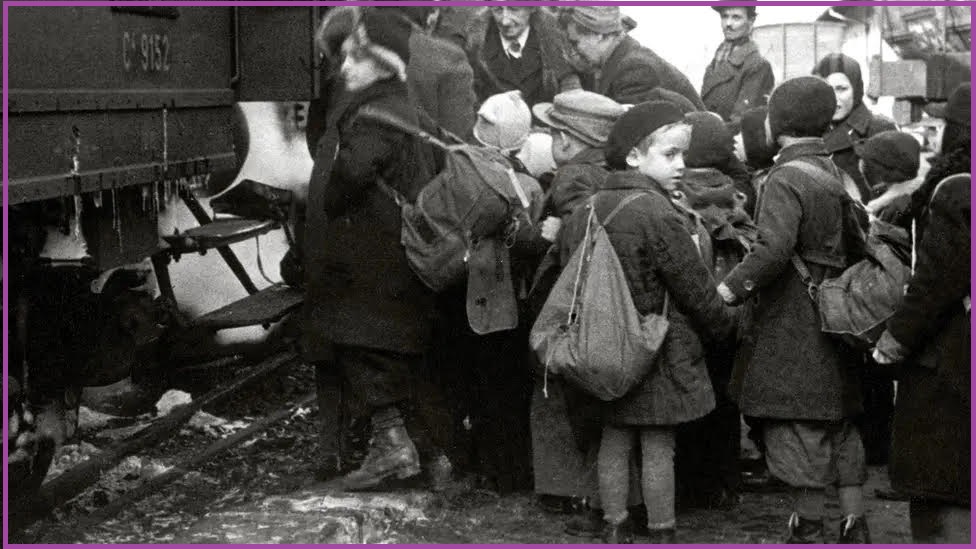
This episode is typically portrayed as an heroic example of British humanitarianism. The researchers pointed out that whilst the children who were rescued were mostly very grateful and often went on to have very successful lives, the experience varied significantly from individual to individual.
For example some children who arrived as babies or infants had little recollection of their previous lives and became fully anglicized, whereas others in their late teens, and fully immersed in German culture, found the transition disorienting and traumatic.
A story was told of a brother and sister from a family of Jews who had converted to Christianity. They were placed in a convent and subsequently became a priest and a nun respectively. Exceptionally , the parents survived the war and travelled to London to be re-united with their children. By then the children had become immersed in their new lives in Britain and refused to go back. The parents had to recognise the fact and return to Vienna without their children.
IAN TURNER
###########


